 How-to
Preventing Water Damage in Older Homes: A 2026 Guide
Table of Contents
- Why Older Homes Are Vulnerable to Water Damage
- Inspect Your Plumbing System and Preventing Plumbing Leaks in Older Homes
- Roof Leak Prevention and Inspection
- Gutter Maintenance to Prevent Water Damage
- Protect Your Foundation and Basement from Seepage
- Identify Signs of Hidden Water Leaks
- Seasonal and Annual Water Damage Prevention Calendar
- What to Do When You Discover a Leak
- Frequently Asked Questions
Last Updated: October 19, 2026
Why Older Homes Are Vulnerable to Water Damage
Older homes face water damage risks newer construction doesn't: pipes corrode, roofs leak, foundations crack, and water finds every weakness.
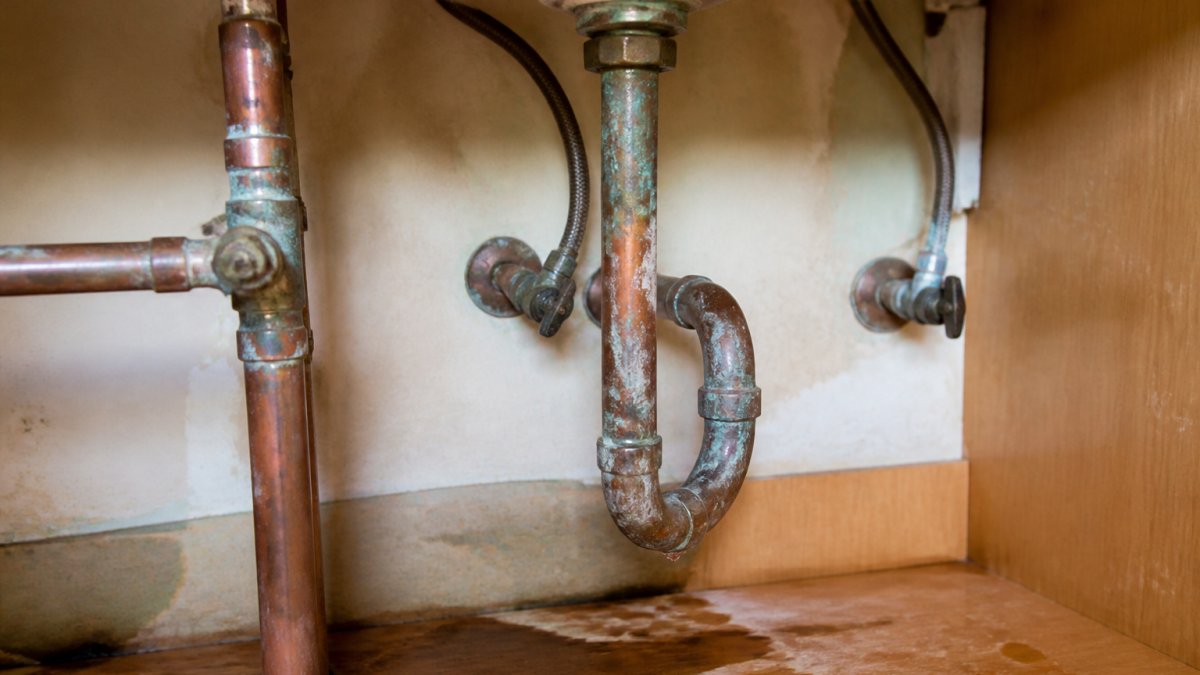
The problem isn't age itself, it's that older homes were built with materials that have a lifespan.
Older homes also trap moisture: poor attic ventilation lets condensation build up, basements often lack proper drainage, and crawl spaces weren't insulated or sealed.
Inspect Your Plumbing System and Preventing Plumbing Leaks in Older Homes
Your plumbing system is the first line of defense against water damage. Older homes often have original pipes corroding from the inside, and slow leaks behind walls can cause damage for months before you notice.
Start by looking for visible signs of trouble:
- Discolored or stained walls and ceilings
- Soft spots in drywall or flooring
- Musty odors in cabinets or crawl spaces
Check Water Supply Lines and Appliance Hoses
Water supply lines are under constant pressure and fail fast. Older homes often have original copper or galvanized steel lines at the end of their lifespan.
Inspect every visible supply line in your home. Look for:
- Pinhole leaks (tiny holes spraying water)
- Corrosion or green patina on copper pipes
- Bulges or kinks in flexible hoses
Appliance hoses are equally critical. Refrigerator water lines, washing machine inlet hoses, and dishwasher connections fail regularly, usually silently behind appliances until water damage appears.
Replace any hose more than 5 years old; the cost is negligible compared to water damage repair.
Locate and Operate Your Main Water Shutoff
Every homeowner needs to know where the main water shutoff valve is. In an emergency, shutting it off stops damage from spreading, but many older valves haven't been used in decades and may be stuck or corroded.
Find your main shutoff valve now:
- Look near the foundation where the water line enters your home
- Check the basement, crawl space, or utility room
- Look for a valve handle (usually a round knob or lever) on the main water supply line
- Some homes have the shutoff outside near the street (called a curb stop)
Once located, test it: turn the handle slowly clockwise until water flow stops, then back left to restore. If it's stuck, call a professional to service or replace it.
Mark the location clearly and share a photo with family members, in a water emergency, every second counts.
Roof Leak Prevention and Inspection
Your roof is your home's primary defense against water, and a small leak becomes a major problem in a year. Older roofs deteriorate predictably, so preventing water damage starts with regular inspections.
Many homeowners wait until water stains appear on the ceiling, by which point damage is already spreading. Inspect your roof twice yearly: in spring after winter weather and in fall before winter storms.
Spot Damaged Shingles and Flashing
Walk around your home's exterior and look up. From the ground, you can spot obvious problems:
- Missing shingles or shingle pieces
- Shingles that are curled, cracked, or blistered
- Dark patches or algae growth (indicates trapped moisture)
If you're comfortable on a ladder, get closer. Look for:
- Gaps between shingles
- Nails that have popped out
- Caulking that's dried out or missing
Replace damaged shingles immediately. Flashing is critical, it's the seal that prevents water from running behind shingles. If flashing is loose or corroded, water will find its way inside. Recaulk or replace flashing as needed.
Address Ventilation and Ice Dams
Proper attic ventilation prevents moisture buildup and extends roof life, but older homes often have inadequate ventilation. Heat builds up, melts snow, and water refreezes at the eaves (creating an ice dam) and backs up under shingles.
Ice dams back water under shingles and into the attic, soaking insulation and rotting framing. Check your attic:
- Do you see soffit vents (small openings under the eaves)?
- Are ridge vents clear at the roof peak?
- Is the attic warm in winter (a sign of poor ventilation)?
Improve ventilation by:
- Clearing debris from soffit vents
- Installing additional vents if the attic feels warm
- Ensuring insulation doesn't block airflow
Gutter Maintenance to Prevent Water Damage
Gutters are your second line of defense, directing water away from your foundation. Clogged or damaged gutters are a leading cause of basement water damage and foundation problems.
Many homeowners neglect gutters until they overflow in a rainstorm, by which point water is already running down the siding and pooling at the foundation.
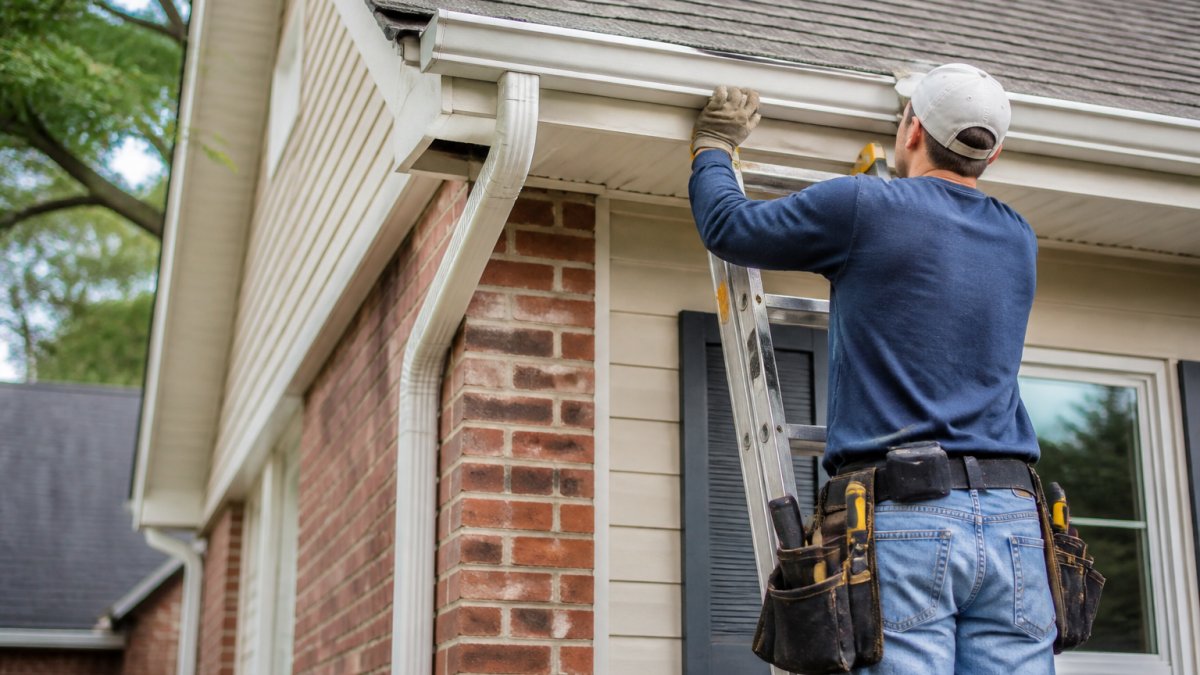
Clean and Inspect Gutters Seasonally
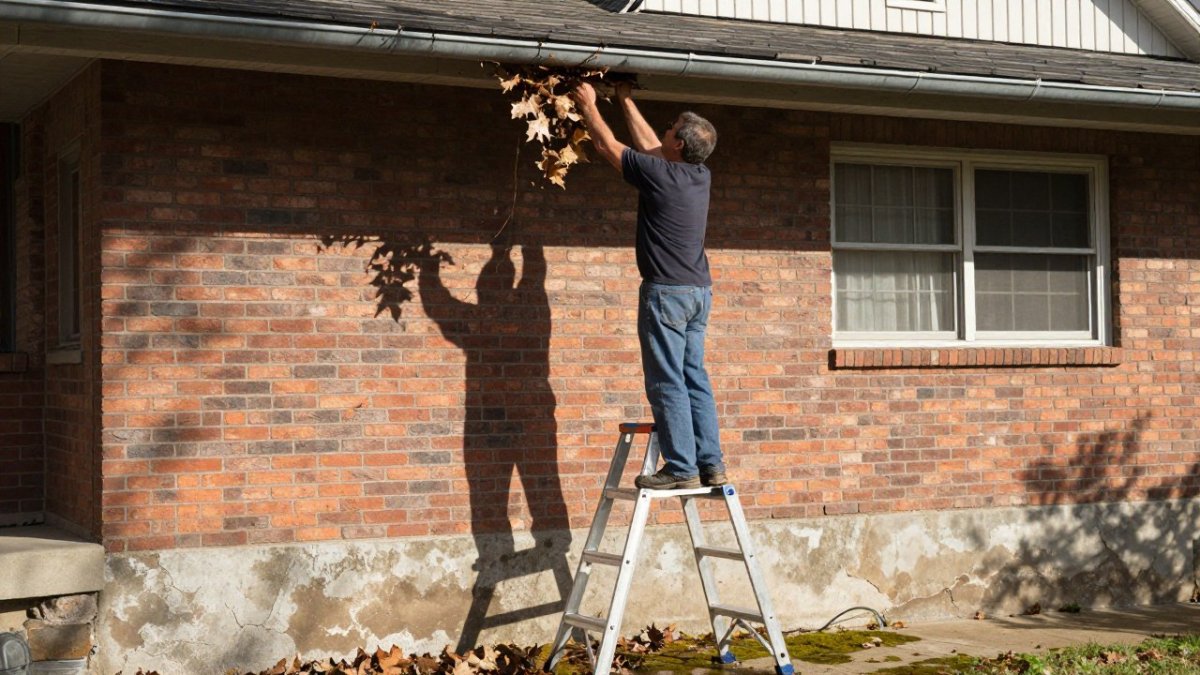
Clean gutters at least twice yearly: once in late spring and once in late fall. If you have trees nearby, clean more frequently.
When cleaning:
- Wear gloves and use a sturdy ladder
- Remove leaves, debris, and sediment by hand or with a small scoop
- Flush gutters with a garden hose to clear remaining debris
- Check for standing water (indicates improper slope)
- Look for rust, holes, or separation at seams
Inspect gutter condition while you're up there:
- Do gutters slope toward downspouts (they should drop about 1 inch per 40 feet)?
- Are seams leaking?
- Is rust present?
Small holes can be patched with gutter sealant; larger damage requires section replacement, and sagging gutters should be re-secured or replaced. Don't ignore gutter problems, overflow causes foundation damage that's far more expensive to repair.
Ensure Proper Drainage Away from Your Foundation
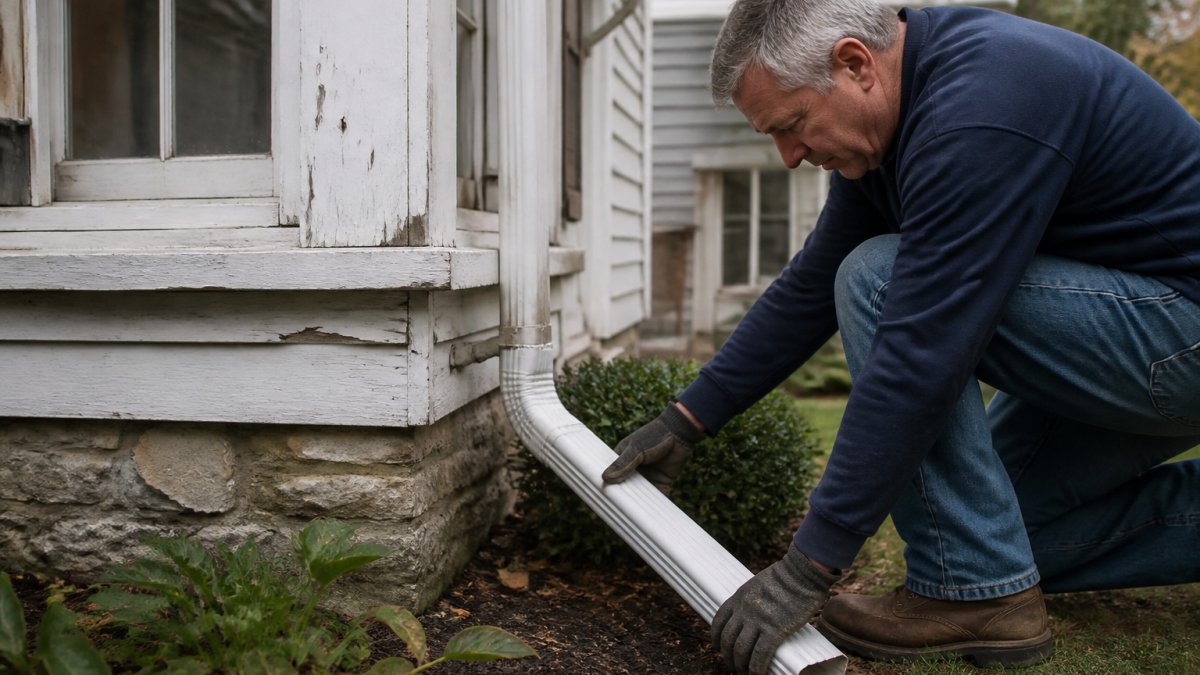
Gutters are only half the solution, downspouts must direct water away from your foundation. Water pooling against your foundation wall will find cracks and seep into your basement.
Check each downspout:
- Does it extend at least 4-6 feet from the foundation?
- Is water pooling near the downspout outlet?
- Are there erosion patterns showing water isn't draining properly?
If downspouts empty too close to the foundation, extend them. Use downspout extensions or underground drainage pipes to move water at least 6 feet away.
This single step prevents more basement water damage than almost any other maintenance task.
Protect Your Foundation and Basement from Seepage
Your foundation is under constant pressure from groundwater. Older homes often have foundations never waterproofed or sealed with deteriorated materials, so basement seepage is common but preventable.
Seal Foundation Cracks and Apply Waterproof Sealant
Foundation cracks start small but grow: water seeps in, freezes, expands, and widens the crack until a hairline becomes a water highway.
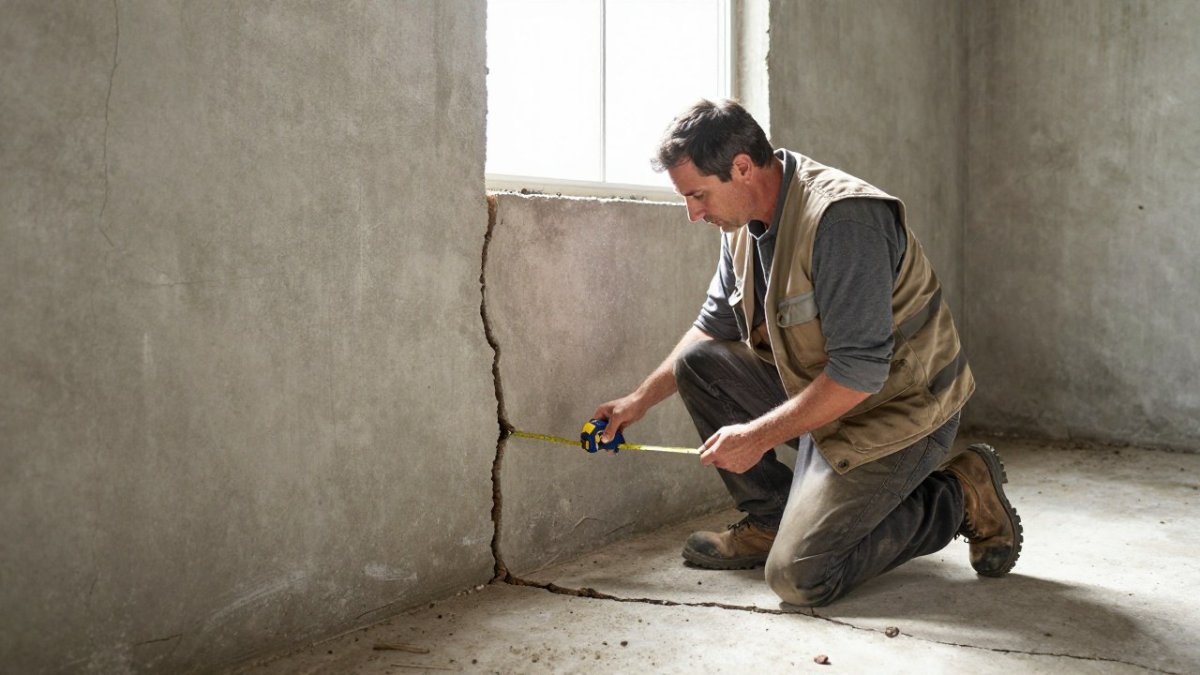
Inspect your foundation for cracks:
- Look at the interior basement walls
- Check the exterior foundation if accessible
- Pay attention to corners and areas below windows
- Look for efflorescence (white, chalky deposits indicating water seepage)
Small cracks (less than 1/8 inch wide) can be sealed with concrete caulk or sealant. Larger cracks require epoxy injection or professional repair. Don't ignore foundation cracks. They indicate water pressure is present and will worsen.
For broader waterproofing, apply a waterproof sealant to foundation walls.
Install or Maintain a Sump Pump
If your basement has a sump pump, it's working hard to keep water out, essential in older homes with high water tables or poor foundation drainage.
Check your sump pump regularly:
- Does it run when water level rises?
- Is the discharge line clear and draining away from the foundation?
- Is the pit clean and free of debris?
Test your sump pump by pouring water into the pit. It should activate and pump water out. If it doesn't, have it serviced or replaced. A failed sump pump during heavy rain causes basement flooding.
If your home doesn't have a sump pump and your basement is prone to dampness, consider installation. Wizard Restoration and Remodeling LLC can evaluate your foundation and recommend whether a sump pump is necessary for your specific situation.
Identify Signs of Hidden Water Leaks
The most dangerous leaks are the ones you don't see. Water can travel through walls and framing for months before causing visible damage, by then, mold and rot are already growing.
Look for Soft Spots, Stains, and Odors
Walk through your home monthly looking for water damage indicators:
- Soft spots in drywall or flooring (press gently; healthy material is firm)
- Water stains on ceilings or walls (often appear as yellow or brown discoloration)
- Peeling paint or wallpaper
Pay special attention to areas around bathrooms, kitchens, and laundry rooms. These high-moisture areas are where hidden leaks typically start. Check under sinks, around toilet bases, and behind appliances.
Monitor Your Water Meter and Usage Patterns
Your water meter reveals hidden leaks. A sudden, unexplained spike in water usage indicates a leak somewhere in your system.
Check your water meter:
- Turn off all water in your home
- Note the meter reading
- Wait 30 minutes without using water
- Check the meter again
If the reading changed, you have a leak. The leak could be in supply lines, a running toilet, or an underground line to the street.
Track your monthly water usage. Compare bills month to month. A significant increase suggests a developing leak.
Seasonal and Annual Water Damage Prevention Calendar
Preventing water damage requires consistent, scheduled maintenance, since different seasons bring different risks. A systematic approach catches problems before they become emergencies.
Spring (after winter):
- Inspect roof for winter damage and ice dam stains
- Clean gutters of winter debris
- Check foundation for new cracks
Summer (before heavy rains):
- Trim tree branches overhanging roof
- Repair any roof or gutter damage found in spring
- Check grading around foundation (regrade if water pools near home)
Fall (before winter):
- Clean gutters of leaves and debris
- Inspect roof condition before winter storms
- Seal any foundation cracks discovered during summer
Winter (ongoing):
- Monitor for ice dams and remove snow buildup if possible
- Check basement for seepage after heavy snow or rain
- Monitor water meter for hidden leaks
Year-round:
- Check under sinks monthly for drips or dampness
- Monitor water bills for unexplained increases
- Look for soft spots, stains, or odors in walls and ceilings
What to Do When You Discover a Leak
Finding a leak is stressful, but quick action minimizes damage. Do this immediately.
First steps:
- Shut off water at the leak source if possible (under-sink shutoff for supply line leaks)
- If you can't isolate the leak, shut off the main water valve
- Stop the water flow to prevent further damage
- Turn off electricity to affected areas if water is near outlets or appliances
- Document the damage with photos for insurance purposes
Next steps:
- Call a professional plumber if the leak is in supply lines or behind walls
- Contact your insurance company to report the damage
- Begin water removal and drying (open windows, run fans, use dehumidifiers)
- Remove wet materials to prevent mold growth
- Do not ignore the leak hoping it will dry on its own
Prevention going forward:
After addressing the immediate leak, identify why it happened, a failed hose, corroded pipe, or deteriorated caulking, and fix the root cause, not just the symptom.
Wizard Restoration and Remodeling LLC specializes in identifying water damage causes and implementing lasting solutions.
Preventing water damage in older homes requires attention and maintenance, but the investment pays dividends. If you've discovered water damage or want a professional assessment of your home's vulnerability, Request A Quote from Wizard Restoration and Remodeling LLC.
Frequently Asked Questions
How can I tell if an older home has a hidden water leak?
Look for soft or spongy spots in walls and ceilings, water stains that appear without rain, musty odors in basements or crawl spaces, and peeling paint or wallpaper. Check your water meter: turn off all fixtures and appliances, then note the meter reading. If it changes after 30 minutes with nothing running, you likely have a leak. Older homes with galvanized steel pipes are especially prone to hidden leaks inside walls.
What is the most important step in preventing water damage in older homes?
Knowing where your main water shutoff valve is located and ensuring it operates smoothly is critical. In an emergency, a stuck or corroded shutoff can mean the difference between a minor repair and catastrophic water damage. Test your shutoff valve at least twice a year. Also prioritize regular roof and gutter inspections, as most water damage in older homes starts from above.
How often should I inspect my roof and gutters to prevent leaks?
Inspect gutters and downspouts at least twice yearly: once in spring after winter weather and again in fall after leaves have dropped. Check your roof annually from the ground with binoculars, looking for missing or damaged shingles, lifted flashing, and debris. After heavy storms, perform an additional inspection. Older roofs may need more frequent checks if they are nearing the end of their lifespan.
What should I do immediately after discovering a water leak in my older home?
First, shut off the water at the main shutoff valve if the leak is from your plumbing system. For roof or foundation leaks, move furniture and valuables away from the affected area. Take photos and document the damage for insurance purposes. Then contact a professional to assess the damage and repair the source. Do not delay; even small leaks can cause mold growth and structural damage within days in older homes.