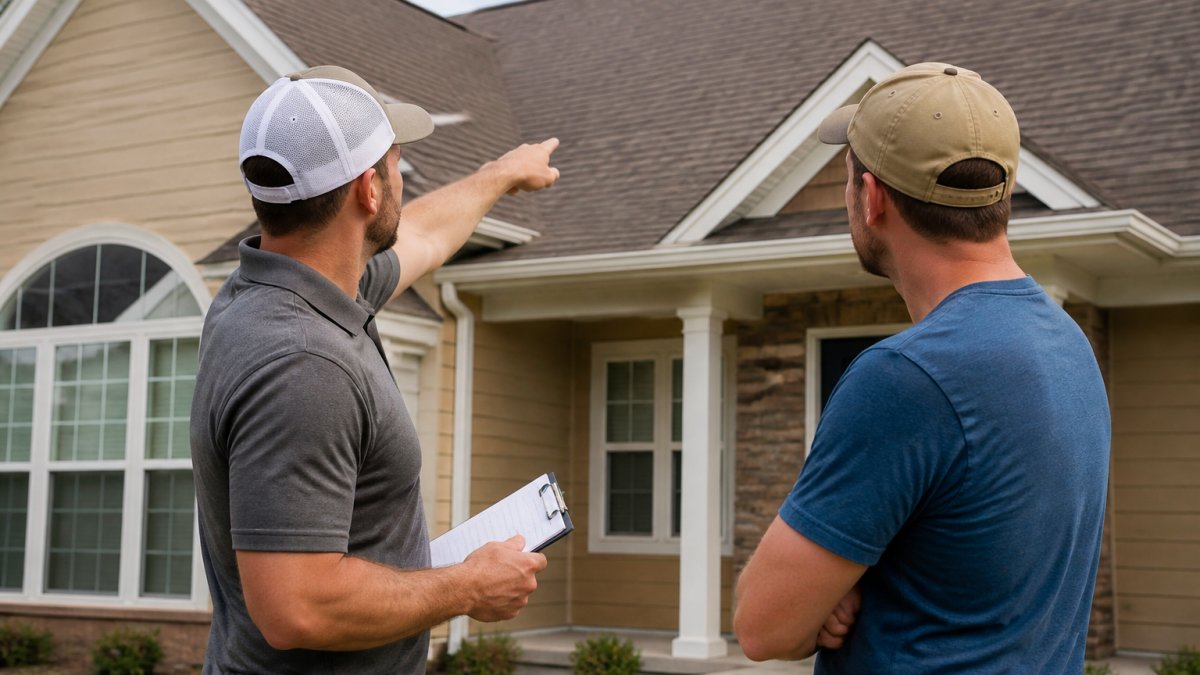
 blog
Do You Need Professional Siding Replacement Services in OKC?
Last Updated: October 26, 2026
Quick Summary
Professional siding replacement services in OKC remove worn exterior cladding and install new material that seals your home against wind, rain, and heat. Hiring this work out matters because failing siding lets water reach sheathing, framing, and insulation, turning a small repair into a framing job. Get at least three written, itemized estimates and compare them line by line, not by total.
- Repair stops being the right call when damage is widespread or moisture has reached the wall assembly.
- Material is the biggest single lever on siding replacement cost, followed by removal, sheathing repair, and roofline complexity.
- A typical single-family siding replacement runs several days to a couple of weeks of active work.
- Ask for a certificate of insurance showing general liability and workers' compensation, then call the insurer to confirm it is active.
- Homes built before 1978 may trigger the EPA's renovation, repair and painting rule, which requires a certified firm.
Table of Contents
- Why Professional Siding Replacement Services in OKC Matter
- Signs You Need New Siding: When Repair Is No Longer Enough
- Siding Replacement Cost: What Drives the Price in Oklahoma City
- What to Expect from a Siding Replacement Estimate
- Siding Replacement Timeline: From Consultation to Final Walkthrough
- Choosing the Right Siding Contractor: Credentials, Permits, and Warranties
- Request a Quote for Professional Siding Replacement Services
- Frequently Asked Questions
Why Professional Siding Replacement Services in OKC Matter
Siding replacement is the process of removing worn exterior cladding and installing new material that seals a home against wind, rain, and heat. In Oklahoma City, that job carries extra weight: hail, driving rain, and repeated freeze-thaw cycles punish exterior walls in ways that milder climates never do.
Most guides treat siding as a cosmetic upgrade. That framing misses the point. Siding is the first line of defense for the structure beneath it, and when it fails, the damage moves inward toward sheathing, framing, and insulation.
The stakes are straightforward. A home exterior that sheds water properly protects everything behind it. One that doesn't turns a small repair into a framing job. That gap between prevention and repair is the entire argument for hiring this work out rather than patching it yourself.
Signs You Need New Siding: When Repair Is No Longer Enough
Repair stops being the right call when damage is widespread, when moisture has reached the wall assembly, or when the same section keeps failing after repeated fixes. A single cracked panel is a repair.
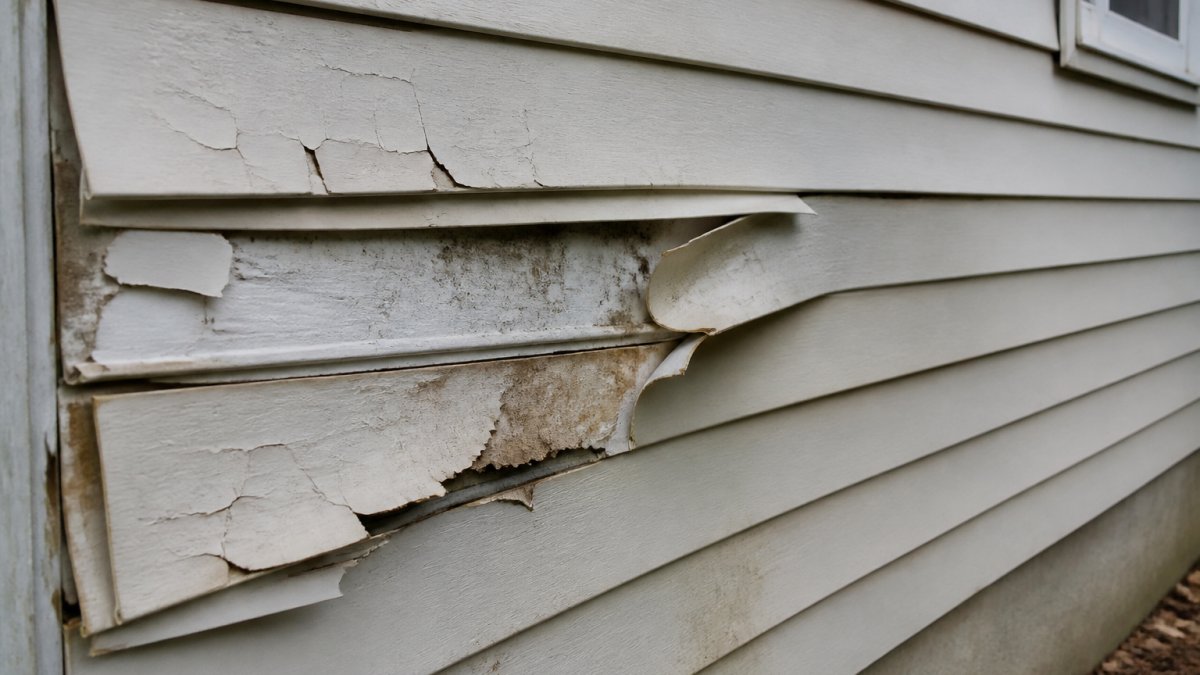
Here's what we tell homeowners to look for:
- Panels that feel soft, spongy, or crumble when pressed
- Siding that waves or ripples instead of sitting flat against the wall
- Paint that peels within a season of being applied
- Bubbles or blisters on interior walls, which often point to water behind the siding
- Visible rot at corners, seams, and around windows and doors
- Higher cooling bills with no change in thermostat habits
That last one gets overlooked. Failing siding lets conditioned air escape and outside heat in, so the energy bill climbs quietly for months before anyone connects it to the walls.
A common mistake is caulking over a failing seam and calling it done. Caulk buys a season at best. If the substrate behind the panel is wet, sealing the surface traps that moisture in place and accelerates rot.
Siding Replacement Cost: What Drives the Price in Oklahoma City
Most siding pages dodge this question. You deserve a realistic range before you call anyone, so here is how the numbers actually break down for a typical single-family home in the metro, and what pushes a project toward the top or bottom of that range.
Pricing for a full siding replacement depends on various factors, including the size of the home, material choices, and labor. These variables move the number more than the square footage does. Treat any quote far below what seems reasonable as a scope problem, not a bargain.
Material is the biggest single lever. Material is a significant factor. Different siding materials have varying costs, features, and performance characteristics. For example, vinyl siding is often chosen for its versatility and cost-effectiveness, while fiber cement is known for its durability and resistance to elements.
What else moves the number:
- Removal and disposal of old siding: This can be a separate cost; ask for it as a line item.
- Sheathing and substrate repair: the wild card. Rotted sheathing, failed house wrap, or damaged trim can add several thousand dollars on an older home. A contract that states a per-sheet rate for unforeseen sheathing replacement protects you from a mid-project surprise.
- Stories and roofline complexity: two-story walls, dormers, gables, and tight lot access all add labor and scaffolding time.
- Openings: every window and door needs flashing and trim work, so a home with many openings costs more per square foot than a plainer elevation.
- Fascia, soffit, and trim: usually cheaper bundled into the siding project than done separately later.
- Lead paint and asbestos: homes built before 1978 may trigger the EPA's renovation, repair and painting rule, which requires a certified firm and adds abatement cost. Ask how the contractor handles this before work starts.
No honest contractor can price your house from a webpage. But you should walk into every estimate knowing which line items to look for, and knowing which questions expose a bid that is too cheap to be complete.
What to Expect from a Siding Replacement Estimate
A trustworthy estimate is a written document that itemizes materials, labor, removal, and disposal, not a single lump sum scribbled on a business card. If a contractor can't tell you what's included, you can't compare bids or protect yourself from mid-project surprises.
Ask for these in writing:
- Material brand, product line, and color, named specifically
- Total square footage being covered
- Whether old siding removal and disposal are included
- Sheathing repair terms, and how unexpected damage gets priced
- Fascia, soffit, and trim scope
- Warranty terms for both materials and workmanship
- Payment schedule tied to project milestones
That sheathing question is where budgets blow up. A bid that assumes no hidden damage looks cheapest on paper and becomes the most expensive one later. We'd rather see a contract that states a per-sheet rate for unforeseen sheathing replacement than one that stays silent and negotiates later.
Get at least three written estimates and compare line by line, not by total. The lowest number often reflects the narrowest scope.
Siding Replacement Timeline: From Consultation to Final Walkthrough
A typical single-family siding replacement runs several days to a couple of weeks of active work, depending on square footage, material, and how much substrate repair turns up. The full process from first call to final walkthrough stretches longer once you count scheduling, material lead times, and any permit review.
The sequence usually looks like this:
- Consultation and measurement at the property, with photos and notes on existing damage
- Written estimate with itemized scope
- Material ordering once the contract is signed, which is often the longest wait
- Permit filing where local rules require it
- Tear-off and inspection of the sheathing underneath
- Repairs to any damaged substrate before new material goes on
- Installation of siding, trim, fascia, and soffit
- Final walkthrough and cleanup
Weather is the wild card in this region. Storms can push a start date, and no honest crew will install siding in conditions that compromise the seal. Build a buffer into your expectations during spring and early summer.
Here is the sequence a typical siding replacement follows from first call to final walkthrough.
| Step | What happens |
|---|---|
| Consultation and measurement | On-site visit with photos and notes on existing damage |
| Written estimate | Itemized scope provided in writing |
| Material ordering | Often the longest wait once contract is signed |
| Permit filing | Where local rules require it |
| Tear-off and inspection | Sheathing underneath is inspected |
| Repairs | Damaged substrate fixed before new material goes on |
| Installation | Siding, trim, fascia, and soffit installed |
| Final walkthrough | Walkthrough and cleanup |
Choosing the Right Siding Contractor: Credentials, Permits, and Warranties
Most contractor-selection advice stops at "make sure they're licensed and insured." That is the floor, not the test. Here is a criteria-based way to compare local siding contractors side by side, plus the contract and warranty checks that separate a professional outfit from a crew that disappears after the final invoice.
Compare on these criteria, not on the total price:
- Licensing and registration. Confirm the business is registered and in good standing, and that the license or registration number appears on the estimate and contract.
- Insurance, verified directly. Ask for a certificate of insurance showing both general liability and workers' compensation coverage, then call the insurer to confirm it is active. An uninsured crew on your property is your liability, not theirs.
- Permits. Ask who pulls the permit and confirm it is named in the contract. Work done without required permits can complicate a future sale, and inspection records protect you if a problem surfaces later.
- Manufacturer certification. Many siding manufacturers maintain installer programs and publish approved-contractor lookups. Certification often matters because material warranties can depend on installation by an approved installer.
- Workmanship warranty, in writing. Get the length and terms in writing, and ask plainly: if something fails in the next year or two, will you come back and fix it? A contractor who hesitates has told you something.
- Local references with similar projects. Ask for references from homeowners with comparable home size and material, and actually call them.
- Written, itemized scope. Material brand and product line, square footage, removal and disposal, sheathing-repair terms, fascia and soffit scope, and a payment schedule tied to milestones.
Read reviews for pattern, not rating. A 4.8-star average tells you less than repeated mentions of the same strength or the same complaint. Look for patterns around scheduling, cleanup, and how the company handles callbacks.
The written-contract checklist. Before you sign, confirm the contract names the material brand, product line, and color; states total square footage; includes removal and disposal; spells out sheathing-repair pricing; lists fascia, soffit, and trim scope; states both the manufacturer's material warranty and the contractor's workmanship warranty; and ties payments to project milestones rather than to a deposit-heavy schedule.
Get at least three written estimates and compare line by line, not by total. The lowest number often reflects the narrowest scope. The right contractor is the one whose paperwork you can read without guessing.
Request a Quote for Professional Siding Replacement Services
The hardest part of this project isn't picking a color. It's trusting that the crew you hire will still answer the phone two years from now, and that the price you agreed to is the price you pay. Our team handles siding alongside roofing, gutters, painting, and remodeling, which means fewer contractors to coordinate and one point of accountability when something needs attention.
If your walls are showing warping, soft panels, or moisture damage, the repair window is open now and it won't stay open. Get a written, itemized estimate before storm season sets the schedule for you.
Frequently Asked Questions
How do I know if my siding needs to be replaced?
Look for cracking, warping, peeling paint, or bubbling. Persistent moisture behind siding often causes rot and mold. If you see frequent paint failure or feel drafts, replacement may be more cost-effective than repeated repairs. A professional inspection can confirm whether repair or full replacement is the right call.
What siding materials are best for homes in Oklahoma City?
Vinyl siding is popular for its low maintenance and resistance to moisture. Fiber cement holds paint well and stands up to hail, while engineered wood offers a natural look. Oklahoma's freeze-thaw cycles and storm season make impact resistance and proper installation critical. Discuss material options with your contractor based on your budget and home style.
How much does professional siding replacement cost?
Siding replacement cost varies based on square footage, material, and labor. Local factors like home size and accessibility affect the final number. Request a written estimate that itemizes materials, labor, and permits so you can compare quotes accurately.
How long does a siding replacement project take?
Most siding replacement timeline estimates run one to three weeks for an average home. Weather, material availability, and the extent of underlying damage can extend the schedule. Your contractor should outline a day-by-day plan and note any contingencies, such as rot repair, that could add time.
Request a quote from Wizard Restoration and Remodeling LLC and get a clear scope, a written workmanship warranty, and one team responsible for the whole exterior. We'll walk the property with you, document what we find, and put the numbers in writing so there are no surprises halfway through.